Edie Adams: Style, Substance, and the Courage to Lead
By Gene Williams
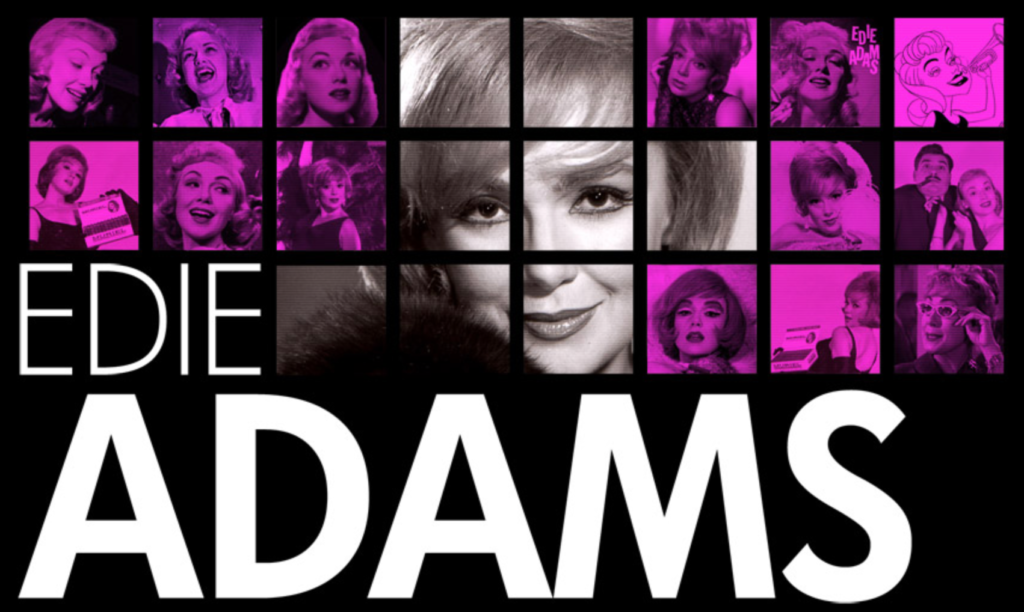
With Pageant Magazine returning with a renewed focus on Character and Culture, there are certain figures whose lives naturally embody those ideals. Edie Adams is one of them. She was glamorous, witty, musically gifted, and unmistakably intelligent. But beyond the stage lights and television cameras was something even more remarkable. Edie Adams was a woman of determination and principle who built a career on her own terms at a time when many women in entertainment were expected to play supporting roles.
Born Edith Elizabeth Enke on April 16, 1927, in Kingston, Pennsylvania, Adams showed both discipline and talent early in life. She pursued serious training in music and performance, studying at the Juilliard School and attending Columbia University. That rigorous background gave her a rare versatility. Adams was not merely a television personality or nightclub singer. She was a trained performer capable of moving between Broadway, film, television, and music with impressive confidence.
Her Broadway career quickly established her credibility. Adams appeared in Wonderful Town and later created one of her most memorable roles as Daisy Mae in Li’l Abner. The performance earned her the 1957 Tony Award for Best Featured Actress in a Musical and confirmed her ability to command a stage. Audiences responded not only to her voice and presence but also to her sharp comedic instincts.
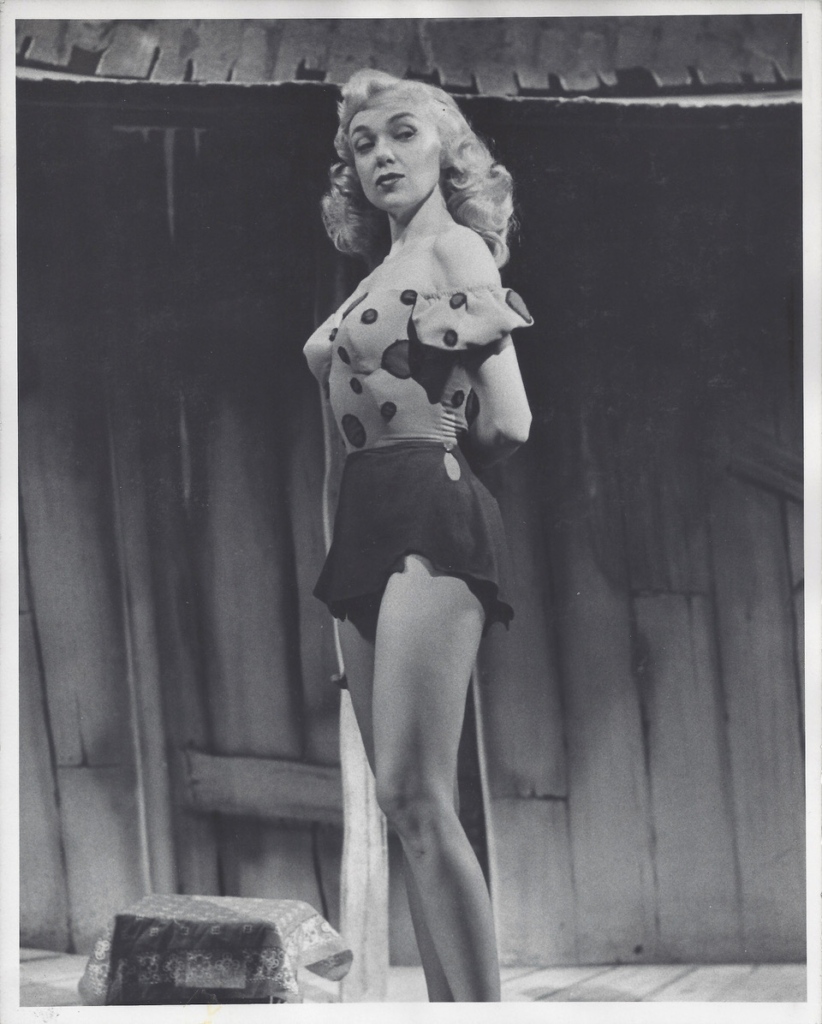
Television soon made Adams a household name. Much of her early work was connected with her husband, the groundbreaking comedian Ernie Kovacs. Kovacs was known for surreal, visually inventive comedy that pushed the boundaries of early television. Adams was not simply standing beside that innovation. She helped shape it. She possessed impeccable timing and an ability to balance elegance with playful satire. In an era when television itself was still being invented, she was among the artists helping to define what it could become.
Despite her obvious intelligence and skill, Adams was frequently presented to audiences as a glamorous blonde singer. She understood the expectations of the time, but she also knew how to use them. Her performances often carried a subtle humor that gently mocked the stereotypes she appeared to embody. Beneath the polished image was a performer fully aware of her craft and her audience.
Her strength became especially clear after tragedy struck. When Ernie Kovacs died in a car accident in 1962, Adams found herself responsible for significant financial obligations tied to his productions. Rather than retreat from public life, she faced the challenge directly. Adams worked tirelessly as a nightclub performer, television guest star, recording artist, and commercial spokesperson. The well known Muriel Cigars advertisements became one of the most recognizable campaigns of the era, but they were only part of her professional reinvention.
At the same time, Adams demonstrated remarkable business acumen. She launched Edie Adams Cosmetics and later the Edie Adams Cut ’n’ Curl beauty salons. Through these ventures she turned serious financial hardship into long term stability and success. At a time when female entrepreneurship was rarely celebrated, Adams quietly proved that artistic talent and business intelligence could coexist in the same person.
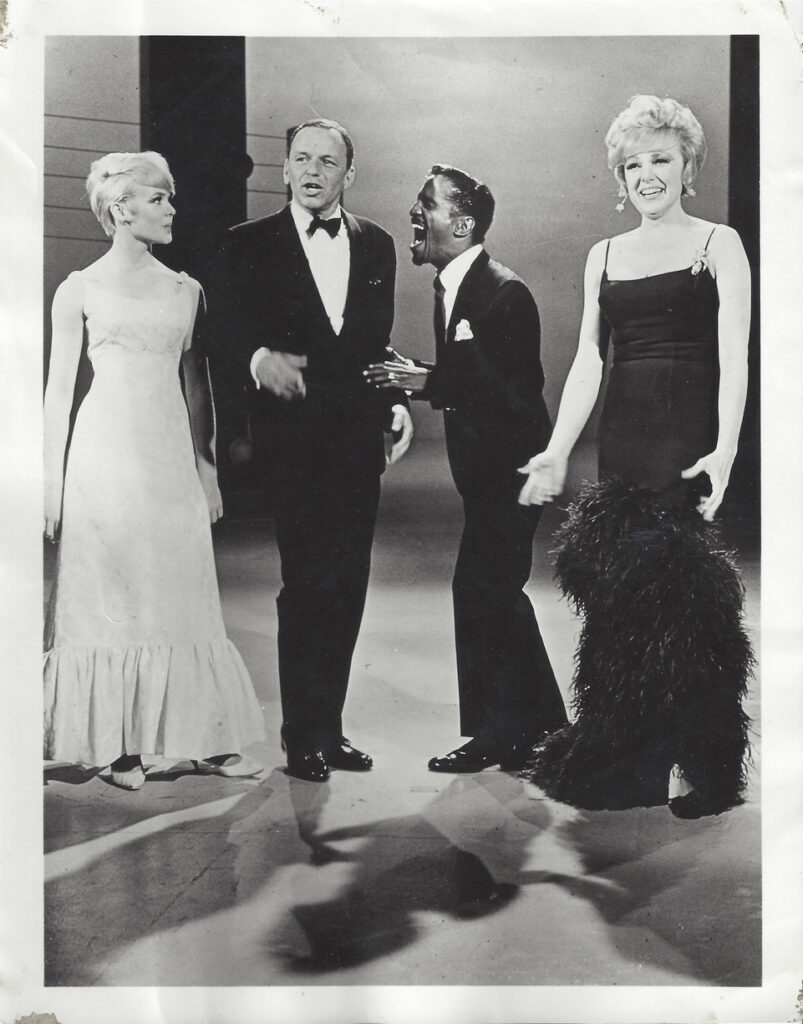
Her sense of responsibility extended beyond her own career. Adams was also a vocal supporter of civil rights and racial equality during a period when the entertainment industry often avoided such issues. One of the clearest examples occurred on her 1963 television program Here’s Edie. Adams insisted that her musical duet with Sammy Davis Jr. be staged with the two performers seated side by side as equals. That choice may seem simple today, but in the early 1960s television environment it carried genuine social meaning.
Adams also devoted years to preserving the artistic legacy of Ernie Kovacs and the early era of television innovation. Through her efforts a vast collection of Kovacs and Adams materials eventually found a home in the Library of Congress. Thousands of kinescopes, videotapes, and personal recordings were saved from disappearing. By safeguarding this work, Adams helped preserve an important chapter of American television history.
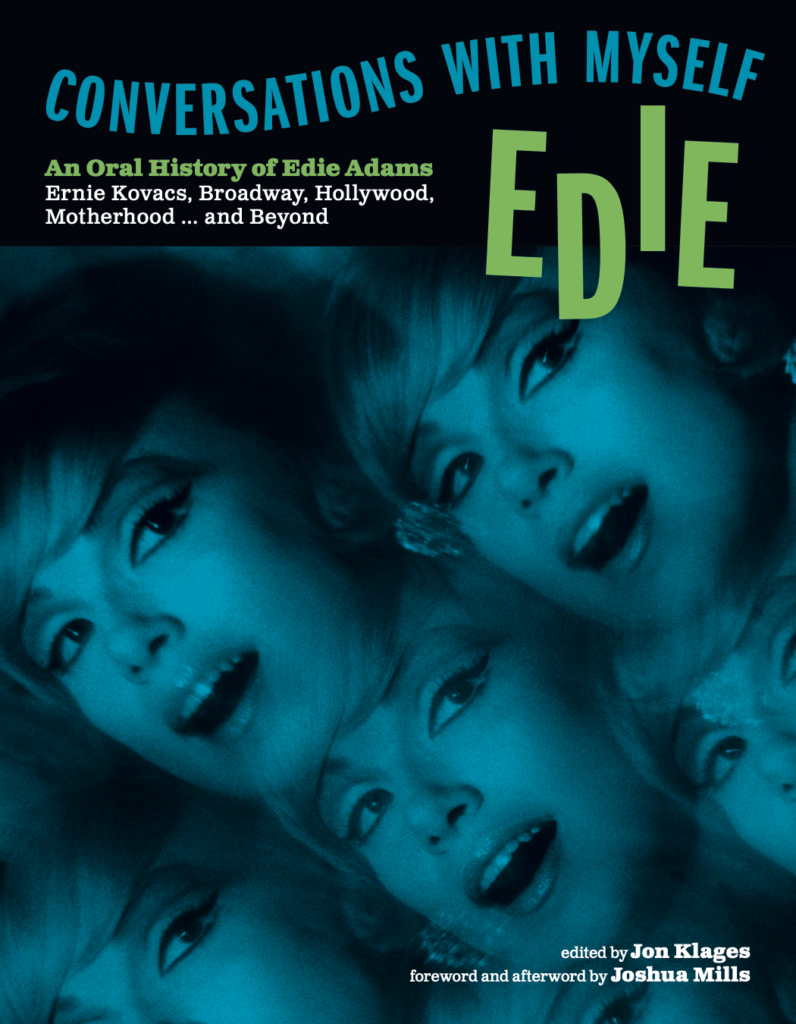
Interest in her life and accomplishments continues to grow. In a January 2026 podcast appearance, Adams’ son Josh Mills revealed that a new book written his mother is expected to be published later this year. Details such as the title and release date have not yet been widely announced, but Josh was kind enough to share the title, Conversations With Myself – An Oral History of Edie Adams – Ernie Kovacs, Broadway, Hollywood, Motherhood… and Beyond, and cover art with Pageant, see below. Edited by John Klages and set to be published by Fantagraphics Underground, the forthcoming autobiography promises to shed additional light on a life that deserves renewed attention.
For Pageant, Edie Adams represents more than a talented entertainer from the golden age of television. She represents the qualities that define true cultural influence. She was stylish without being superficial, humorous without losing intelligence, and ambitious without abandoning principle. She proved that a woman could succeed on stage, in business, and in public life without surrendering her independence.
In short, Edie Adams lived the very idea that Pageant celebrates. Character and Culture were not abstract ideals to her. They were the standards by which she lived her life and built her career. That is why, as this magazine begins a new chapter, her story feels not only timely but essential.