The Significance of Family
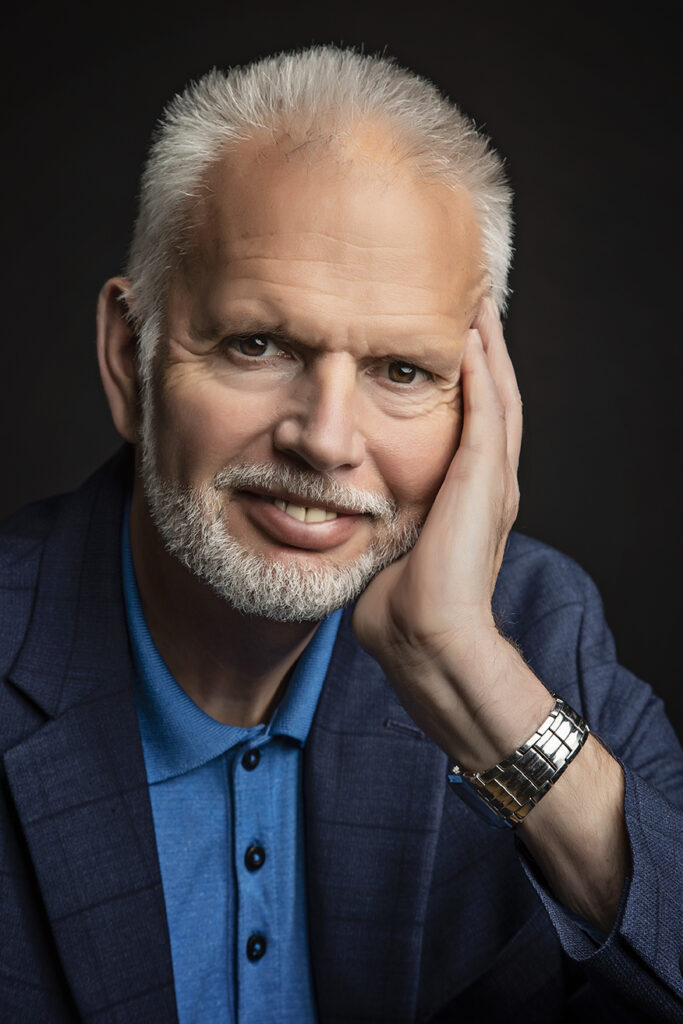
By Doug Lawrence
Family is one of the most frequently used words in our language, yet one of the least examined. We speak of it casually—my family, family first, family values—as though its meaning is universally agreed upon. In reality, family is layered, complicated, and deeply personal. For some, it is a place of safety and belonging. For others, it is a source of pain, absence, or unresolved grief. And for many, it is all of these at once.
At its core, family shapes our earliest understanding of connection. It is where we first learn what love looks like, how conflict is handled, and whether our emotions are welcomed or dismissed. Long before we have language for it, family teaches us how to be in relationship—with others and with ourselves. Those lessons, whether healthy or harmful, often follow us well into adulthood.
Family significance is not rooted in perfection. No family escapes struggle, misunderstanding, or loss. What gives family its weight is proximity—emotional, relational, and often generational. Family members witness our beginnings. They see us before we are polished, before we know who we are, before we learn how to protect ourselves. That level of exposure leaves an imprint that few other relationships can replicate.
For individuals navigating grief, the role of family becomes especially pronounced. Loss has a way of clarifying relationships. It reveals who shows up, who withdraws, and who does not know how to be present in the face of pain. Sometimes family becomes a refuge during grief; other times it becomes another source of distress. Expectations collide with reality, and old family patterns often resurface under pressure.
This is where many people feel conflicted. There is an unspoken belief that family shouldprovide comfort, understanding, and support—particularly during difficult seasons. When that does not happen, grief can deepen. People may feel guilt for feeling disappointed, or shame for needing distance. Yet acknowledging these realities is not a rejection of family; it is an honest reckoning with it.

Family significance also extends beyond bloodlines. For many, family is chosen rather than inherited. Friends, mentors, partners, and community members can become family through shared values, mutual care, and consistent presence. These relationships often emerge when traditional family structures fall short or are absent altogether. Chosen family reminds us that connection is not limited to biology—it is cultivated through trust and commitment.
Still, biological family carries a unique influence. Even when relationships are strained or distant, the emotional residue remains. Family narratives—spoken and unspoken—shape how individuals understand loyalty, responsibility, and identity. These narratives can empower or constrain, offering either a sense of belonging or a silent burden of expectation.
In times of transition—such as illness, aging, divorce, or bereavement—the significance of family often resurfaces with intensity. Decisions must be made. Roles shift. Old hierarchies may dissolve while new ones emerge. In these moments, family dynamics can either facilitate healing or complicate it. The same family that once provided stability may now struggle to adapt, leaving individuals to navigate change largely on their own.
Grief exposes this tension clearly. Families may grieve differently, at different paces, and with different needs. One person may want to talk; another may want silence. One may seek meaning; another may avoid it altogether. When families lack the language or emotional safety to hold these differences, misunderstandings can grow. What is often interpreted as indifference or insensitivity may, in fact, be unexpressed pain.
Understanding the significance of family requires moving beyond idealized notions. It calls for curiosity rather than judgment, compassion rather than assumption. Family is not defined by constant harmony, but by the capacity—or lack thereof—to repair, to listen, and to grow. When repair is possible, family can be a powerful force for resilience. When it is not, acknowledging limits becomes an act of self-preservation rather than failure.
For those who mentor or support others through grief and life transitions, family context matters deeply. It shapes how individuals cope, what they fear, and where they seek support. Recognizing the influence of family allows for a more nuanced understanding of a person’s experience. It invites questions such as: What did family teach you about loss? About asking for help? About emotional expression?
The significance of family is not static. It evolves over time, shaped by experiences, boundaries, and personal growth. Some people work to heal family relationships; others work to redefine them. Both paths are valid. What matters is intentionality—choosing how family will continue to influence one’s life rather than allowing old patterns to dictate the future.
Ultimately, family significance lies not in obligation, but in impact. It is found in the ways relationships shape our sense of worth, belonging, and meaning. By examining family honestly—without romanticizing or rejecting it outright—we create space for healing, clarity, and healthier connections.
Family matters not because it is perfect, but because it is powerful. And understanding that power is often the first step toward living more consciously, compassionately, and authentically—both within and beyond the families we come from.
Doug Lawrence is the founder of TalentC® and is focused on all things mentoring as a solution provider. Doug Lawrence is an International Certified Mentor and holds two Mentor Certifications; Certificate of Practice – Mentor and the Certificate of Practice – Journey Mentor from the International Mentoring Community. Doug is the only one to hold the Certificate of Practice – Journey Mentor in the world today.
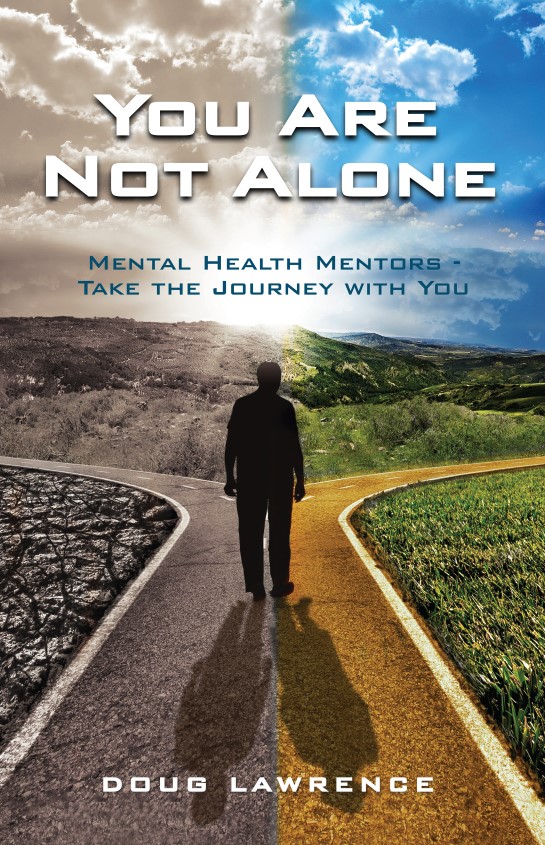
He has over 30 years of mentoring and leadership experience and is recognized as a thought leader in the mentoring space. Doug authored the book entitled, “The Gift of Mentoring” and his second book entitled, “You Are Not Alone” became an Amazon #1 Best Seller in North America and the UK and is a Bronze medal recipient in the Global Book Awards. Doug is an International Best – Selling Author.
Doug’s Practice of Mentoring continues to grow and has resulted in his accumulation of 3,400 hours of mentoring (in person and virtual), 235 hours of speaking opportunities and 672 hours teaching others how to effectively mentor. Doug has been the guest on approximately 150 podcasts in the past year on the topics of mentoring, mental health and grief.