Indie Authors: Leading the Way for a New Tomorrow

By Mark Everglade (courtesy of Books & Buzz)
Freedom of choice is the foundation which democracy is based upon, but it can only be as valuable as our education, which is based on the flow of information. The books we read influence our worldviews, excite discussions that result in communicative action, and help us frame and narrate our life stories. It is thus concerning when corporations try to stifle that flow of knowledge.
In the United States (U.S.), 30 to 40 percent of the American book industry is controlled by just one publishing house – Penguin Random House. In fact, the top five publisherscontrol 75% of the industry. That’s three out of every four books you purchase. These publishers war against the indie and small publishing communities by manipulating market practices, such as influencing the ever-decreasing Kindle Unlimited royalties on Amazon. But there is hope.
Recently, Simon and Schuster attempted to merge with Penguin Random House, which would have brought a near complete monopoly as they forced their competitors out of business. Although anti-trust laws are seldom upheld in the U.S., the merger wasdenied in court. The Assistant Attorney General, Jonathan Kanter, stated,
“The proposed merger would have reduced competition, decreased author compensation, diminished the breadth, depth, and diversity of our stories and ideas, and ultimately impoverished our democracy.”
A corporate merger impoverishing our democracy? Strong words, and they couldn’t ring more true.
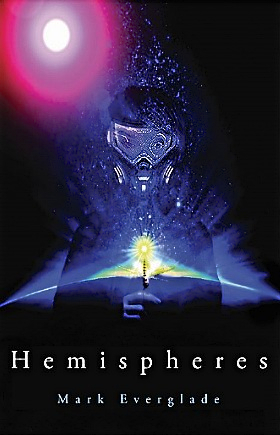
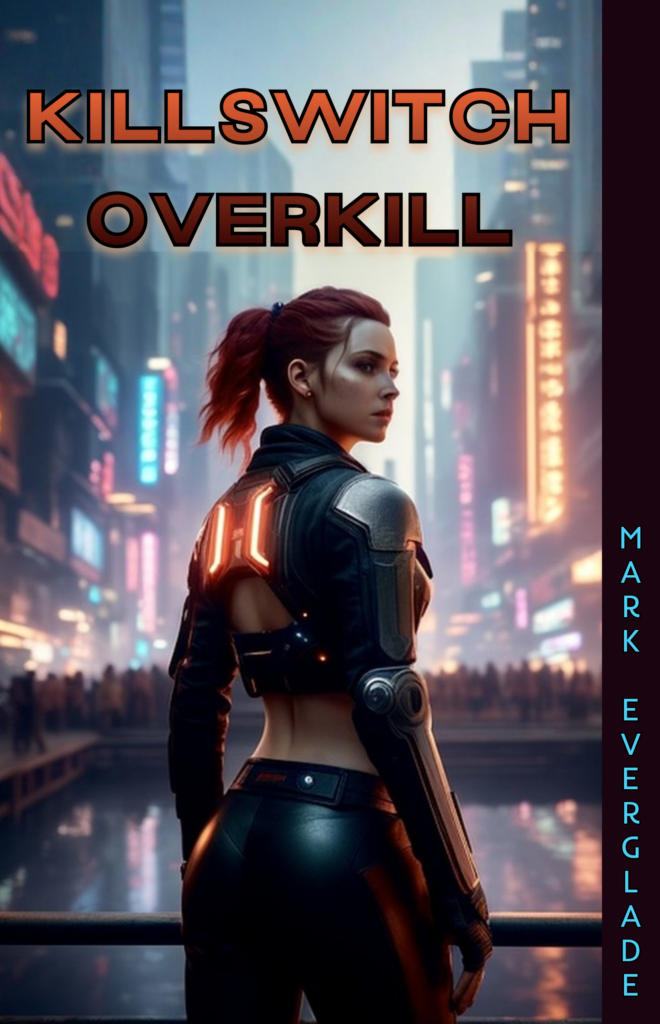
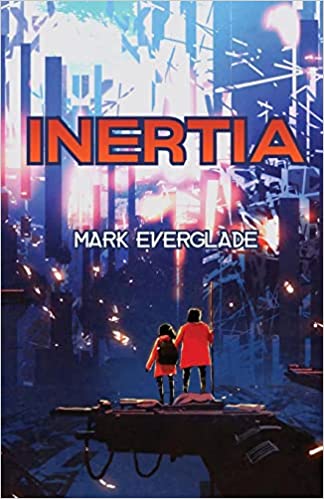
Indie and small publishing houses take risks in what they promote, offering a greater range of diverse ideas and perspectives. Small publishers like the award-winning Snake Nation Journal, RockHill Publishing, and All Things That Matter Press are willing to tackle stories too original and critical of the status quo to be picked up by the big publishers, who protect themselves at the expense of author creativity.
Nowhere is this clearer than in the cyberpunk sub-genre of dystopian science fiction, where the indie community produces the majority of the true work. Just like you have to go to a sweaty club in the middle of a forgotten alley to hear real punk music, you have to go indie to get a true taste of dystopian literature. That’s because the antagonists aren’t aliens steering spaceships, they’re corporations driving countries out of business, and making people aware of that threatens multi-billion dollar booksellers, so they won’t publish it.
That’s why we celebrate Cyberpunk Day on November 12th (www.cyberpunkday.com), to recognize the independent media being created and connect it to the larger sci-fi community. This is how democracy wins, by grassroots collectives resisting corporate sponsorship, building the exchange of information from the ground up.
We are high tech. We are low life. We publish from the trenches, the gutters, the alienated grounds of oppression, and we scream to be heard amidst the latest offerings by Danielle Steele and John Grisham. But our words resonate with a spirit of idealism that so many lost when they were young during a time when “good enough” became “good enough.” Now is the time for the indie community to rise. Now is the time for democracy in action – and nowhere is that truer than in the books we write.
-Mark Everglade

About the Author
Mark Everglade has spent his life as a sociologist, studying conflict on all levels of society. He wrote Hemispheres to sooth our ideological divisiveness at a time of increased polarization as he explores how our underlying values are more similar than we think, regardless of how we look, act, or vote. An avid reader of science fiction, he takes both its warnings, and opportunities for change, to heart. His previous works have appeared in Exoplanet Magazine and Unrealpolitik. He currently resides in Florida with his wife and four children.