Art and Photography: A Retro Revival
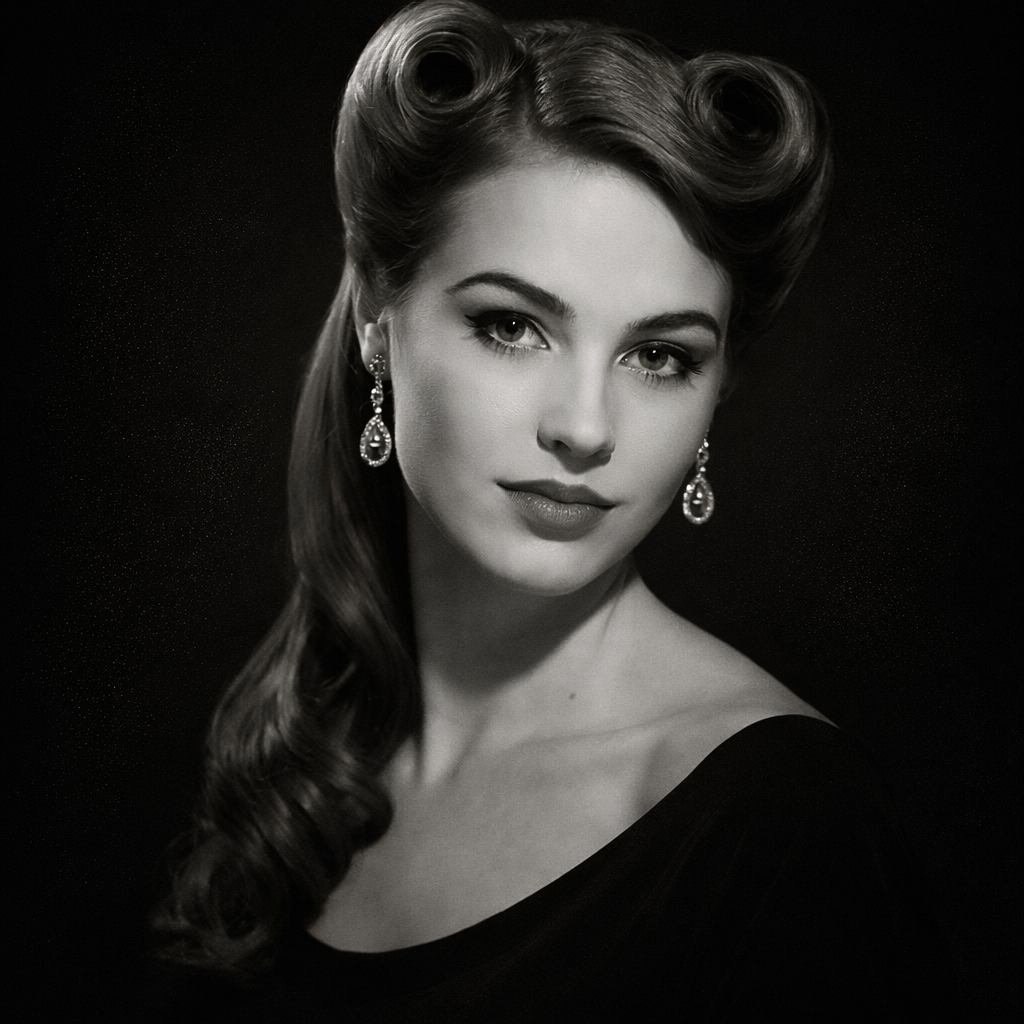
Art and Photography at Pageant
Our magazine features stunning original photos that celebrate the beauty of art through a vintage lens.
Capturing Moments
Each photo tells a story, inviting readers to experience art in a new way.
Art and Photography: A Retro Revival
The Return of Retro Photography
Photography, like fashion and music, tends to move in cycles. In recent years, a striking revival has taken hold in both professional and enthusiast circles: the retro photography movement. Artists and photographers are increasingly revisiting the visual language of mid-century magazines, vintage film cameras, and early color processes to create images that feel timeless rather than strictly modern.
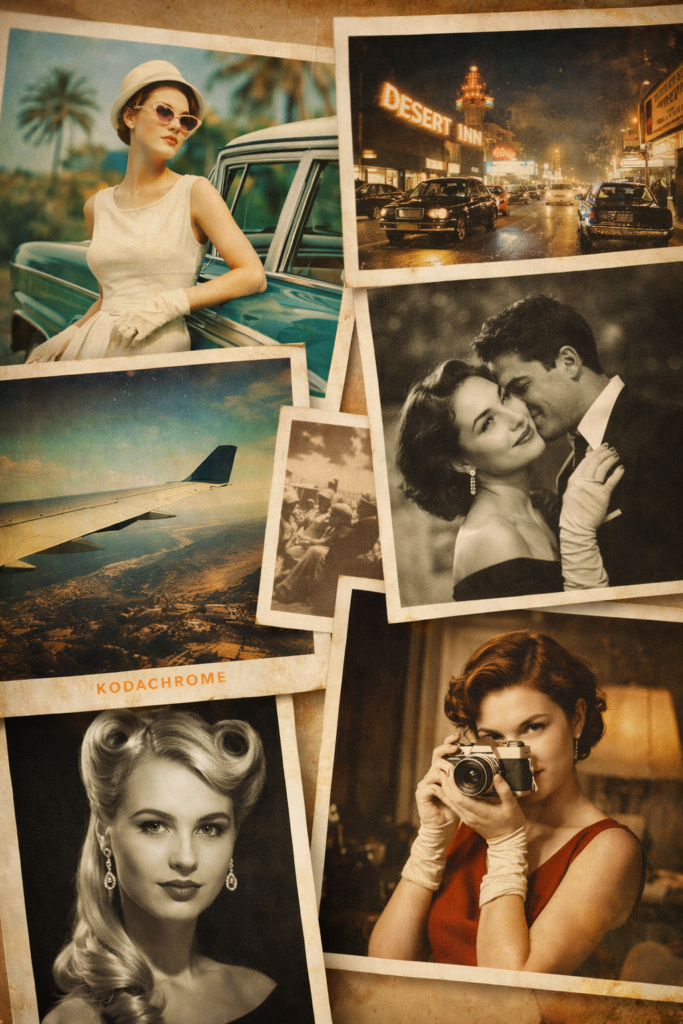
The appeal is easy to understand. Vintage photographs from the 1930s through the 1960s possess a quality that many contemporary images struggle to replicate. Colors appear slightly softened, shadows fall with dramatic intention, and subjects often seem to exist within carefully composed scenes rather than casual snapshots. These images evoke a period when photography was both technical craft and visual storytelling, where every frame required thought, preparation, and patience.
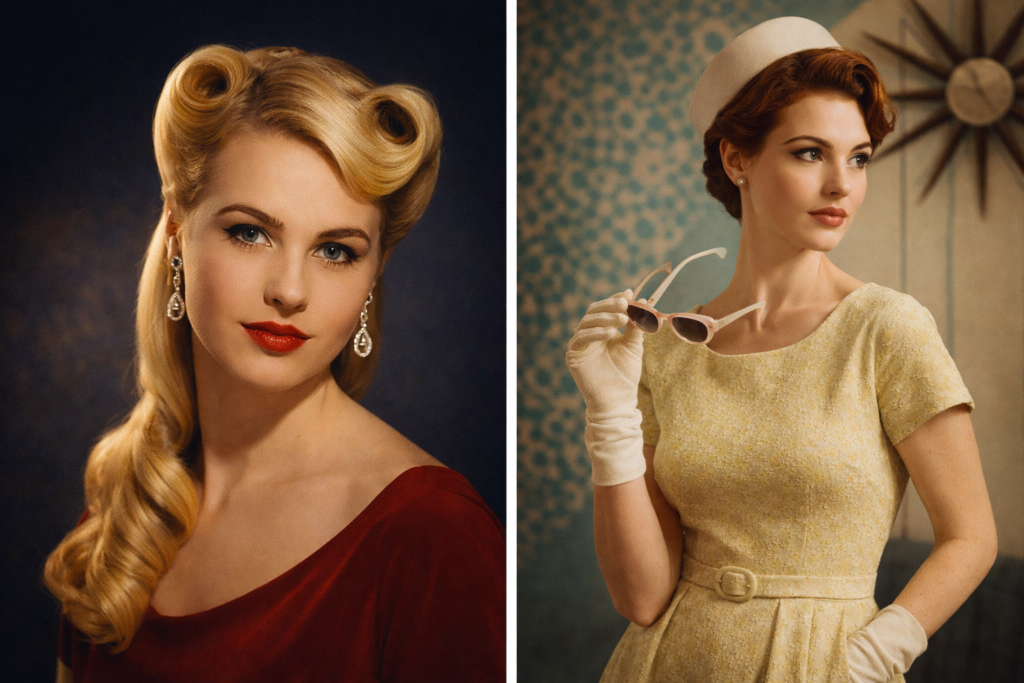
During the golden age of magazines and cinema publicity photography, studios relied on elaborate lighting setups to shape their images. Portraits often used three-point lighting, producing soft highlights and elegant shadows that sculpted the subject’s face. Glamour photography in particular embraced luminous skin tones, rich contrast, and a sense of theatrical polish that made subjects appear larger than life.
Today’s photographers are rediscovering these techniques.
Vintage Aesthetics in the Digital Age
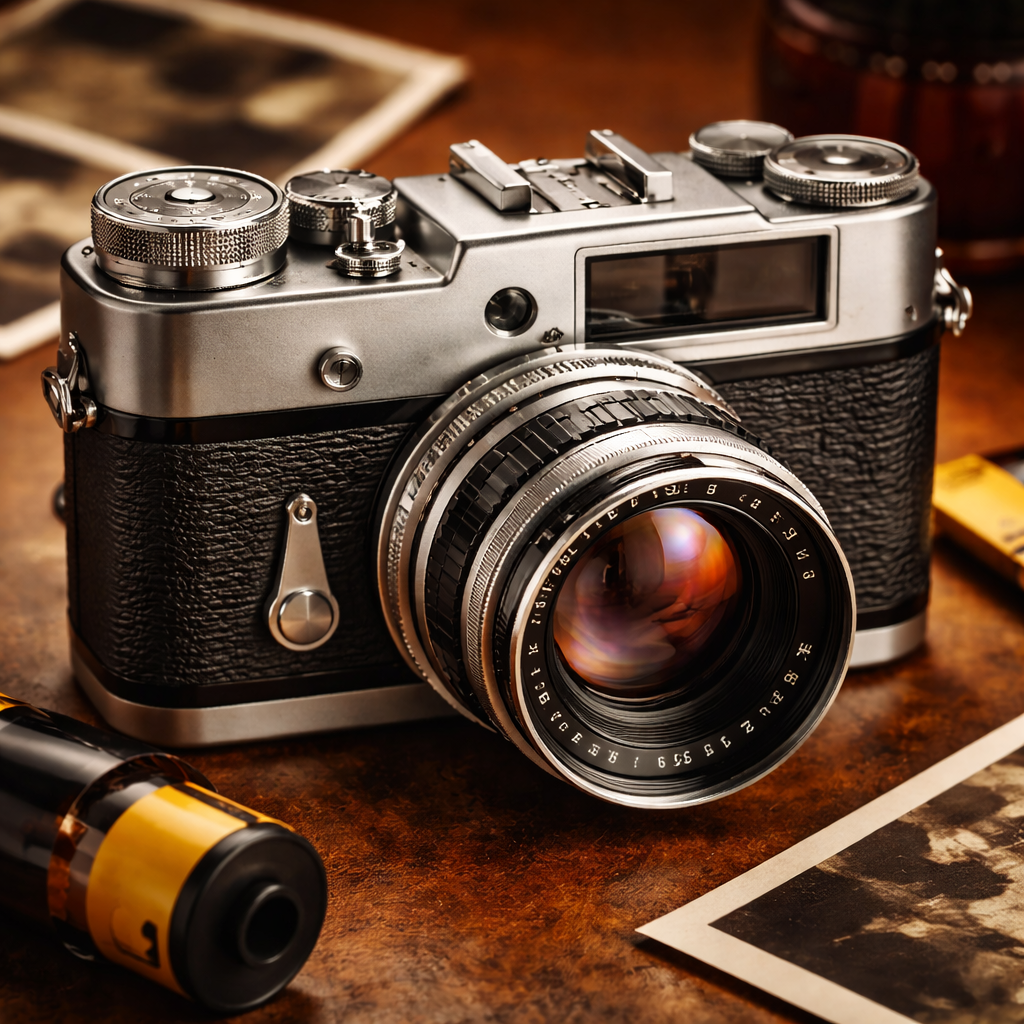
Ironically, the retro revival has been fueled by modern digital technology. While early photographers depended on chemical film processes and mechanical cameras, contemporary artists often recreate the same aesthetic using digital tools designed to emulate those historical effects.
One of the most popular methods is film emulation. Software and camera profiles can reproduce the distinctive color palettes of classic films such as Kodachrome, Ektachrome, or early black-and-white stocks. These simulations add subtle grain, muted highlights, and slightly imperfect color shifts that mimic the organic qualities of analog film.
Another widely used approach involves controlled imperfections. Light leaks, dust textures, and subtle vignette shading are sometimes introduced intentionally during editing. While these artifacts were once considered technical flaws, they are now valued as markers of authenticity that evoke the tactile nature of vintage photography.
Lighting techniques have also returned to prominence. Photographers seeking a retro aesthetic often rely on softboxes, beauty dishes, and directional spotlights to recreate the dramatic lighting seen in mid-century studio portraits. The result is a visual style that feels cinematic and deliberate, echoing the glamour photography of classic Hollywood publicity stills.
The Role of Composition and Mood
Beyond technology, retro photography emphasizes something even more important: intentional composition. Many vintage photographs were carefully staged, with strong attention paid to background elements, posture, wardrobe, and atmosphere.
Modern retro photographers often draw inspiration from classic magazine layouts, advertising art, and film noir imagery. Subjects might be photographed beside vintage automobiles, neon signs, desert landscapes, or stylish mid-century interiors. Wardrobe choices, sleek dresses, tailored suits, or timeless casual wear, help reinforce the era-inspired mood without necessarily replicating it exactly.
The goal is rarely strict historical recreation. Instead, the most compelling retro photographs create a dialogue between past and present, blending contemporary sensibilities with visual traditions from another era.
A Living Aesthetic
The resurgence of retro photography reflects something deeper than nostalgia. It suggests that many artists and viewers are drawn to images that feel crafted rather than disposable. In an age where billions of photos are captured every day on smartphones, the retro movement celebrates a slower, more deliberate approach to image-making.
Each photograph becomes an intentional artifact, a moment shaped by lighting, atmosphere, and story.
In many ways, this revival mirrors the spirit of classic magazines that once celebrated photography as an art form. The tools may have changed, but the goal remains the same: to create images that linger in the imagination long after the page is turned.