How can a podcast serve to promote writers and their books?

By Alan R. Warren
For both publishers and media, podcasting is a new and vital way to promote books in the market space. Podcasting provides writers with a raw and direct way to introduce their writings to a broad public in an industry where traditional marketing has all but been abandoned traditional marketing methods. So, be it interviews or talks or storytelling, we’re allowing writers to share both their books and the thoughts underneath or experiences behind those words on an “interview” or anything else that the podcasting audience finds useful.
Podcasts permit one of the finest types of focused outreach there is. Podcasts cover many different genres or tastes — mystery, horror, fantasy, science fiction, and true crime, for example. When an author appears on a show that is based in a genre, they are speaking specifically to listeners who have an interest in that kind of story. Targeted exposure like this frequently seems to pack a lot more punch than wide-scale advertising, because the subject already consumes your audience.
So, podcast listeners who listen to podcasts about crime stories are more likely to be interested in a new true crime book that the interviewee is introduced to as a result of the podcast. Podcasts also add an element of emotional involvement that many traditional advertising outlets do not possess. We are hearing the voice of the author of our book’s author talks about it. The author’s voice, personality, and excitement can add an authenticity that’s difficult to replicate in printed ads. In an interview, for example, writers may answer what inspired their book: how they came to write the book, how they conducted research, and what challenges they faced in writing it. Hearing these introspective perspectives helps you identify with the author on a more personal level and often makes you eager to read the book more.
Podcast appearances are also a very good way to share behind-the-scenes stories. Authors can discuss real-life events, historical research, or personal experiences that have impacted them when writing the work. So, for nonfiction writers,that could mean delving into a true crime book’s research methodologies or its investigative methods. For fictional writers, it means explaining the development of a character and how they develop a character — how one world was invented. But these conversations give depth and context that allow listeners to sense better what’s distinct about the volume as a whole.
Podcasts also have a long-term advantage. An episode usually comes out but stays indefinitely accessible on big platforms like Spotify and Apple Podcasts. Unlike a newspaper story or a one-sentence message on your next social media post, which makes some of the most time-wasting advertisements and other content, a podcast interview can attract repeat listeners months or even years after it is first aired. And the promotional value of the appearance can persist long after its initial broadcast and let new readers find the author’s work, over time, via word of mouth, more easily.
And, of course, podcast interviews don’t just connect authors to readership — they also connect authors with members of the wider writing and publishing community. Particularly, being on a show can help writers interact in this way, and for writers, with hosts, with other writers, and even sometimes editors or publishers, sometimes only potential editors or publishers who may, in fact, appear in the program itself as guests. More interviews, collaborations, or participation in literature events and discussions can come in the way of connections that would also contribute to events and opportunities to be involved in such conversations. Networking this way and networking with this approach is another way to progress a writer’s career.
Podcasts also provide, for many writers — especially those who are indie or in the early stages — a low-cost, relatively easy marketing platform. For most writers, a big ad campaign won’t be a viable concept. Podcast interviews, though, take a lot of time and some prep work. Through their books, writers now have the ability to reach thousands of people just by sharing information, experience, and passion in their books, without having to foot the huge price of traditional advertising. Finally, podcasting has a larger impact on the wider discourse regarding books and storytelling. They create opportunities for writers to discuss ideas and share ideas, themes, and creative practices in a casual and naturalistic way. Authors get an open connection to everydaylife by promoting podcasts into life. This reinforces every book here but also causes listeners to want to lose themselves in literature altogether.
As for readers, the discussion of each author’s words can create a new perspective and insight into their work, which can enhance the text itself. “In an age when digital media still determines the way people find books, these podcasts have evolved into an important method of promoting themselves and your writing,” she said. They allow audiences to engage, a glimpse of authors’ lives, stories behind books, and long-running programming, where they produce it for speakers whenever it is released internationally. Since podcasts have taken root and people have found a quite popular podcast, there are still several solid reasons to trust that they will be one of the best ways any writer can have to reach out to readers to get their attention for their writing.
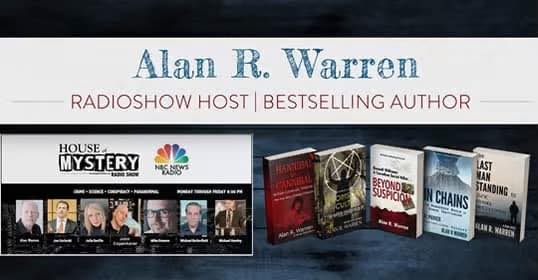
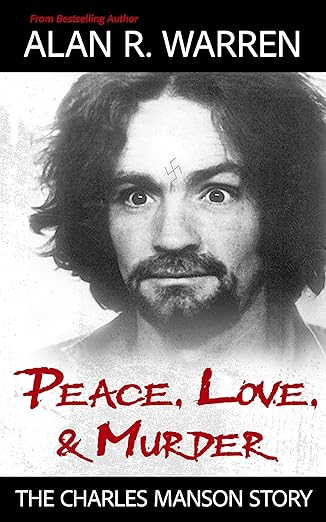
Alan R. Warren is a bestselling author, producer, and lead host of the radio shows House of Mystery and Inside Writing, broadcast across stations in Los Angeles, Riverside, Palm Springs, Salt Lake City, Seattle/Tacoma, and Phoenix. He began writing for True Case Files Magazineand remains a contributor to Serial Killer Magazine. Warren has written 38 nonfiction books on true crime, cults, human trafficking, history, and memoir. His bestselling titles include Beyond Suspicion: The True Story of Colonel Russell Williams, Murder Times Six: The True Story of the Wells Gray Park Murders, and The Killing Game: Serial Killer Rodney Alcala. His newest book is Peace, Love, & Murder: The Charles Manson Story.