The Story of Pageant Magazine
A Tradition of Curiosity, Culture, and Character
By Gene Williams
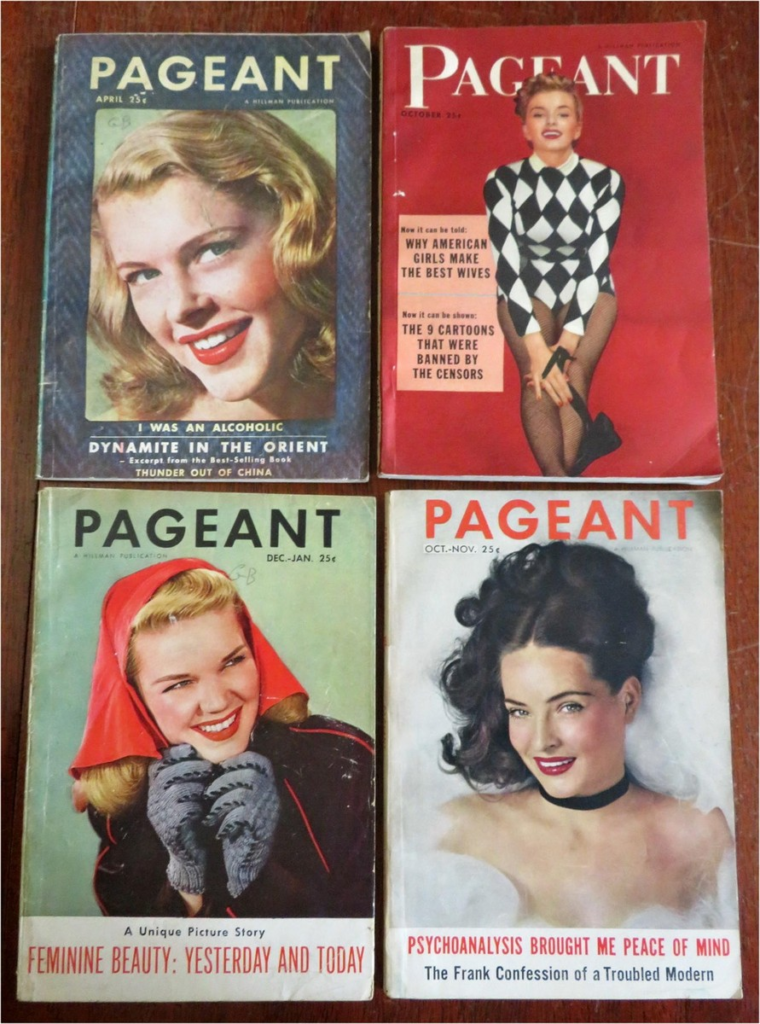
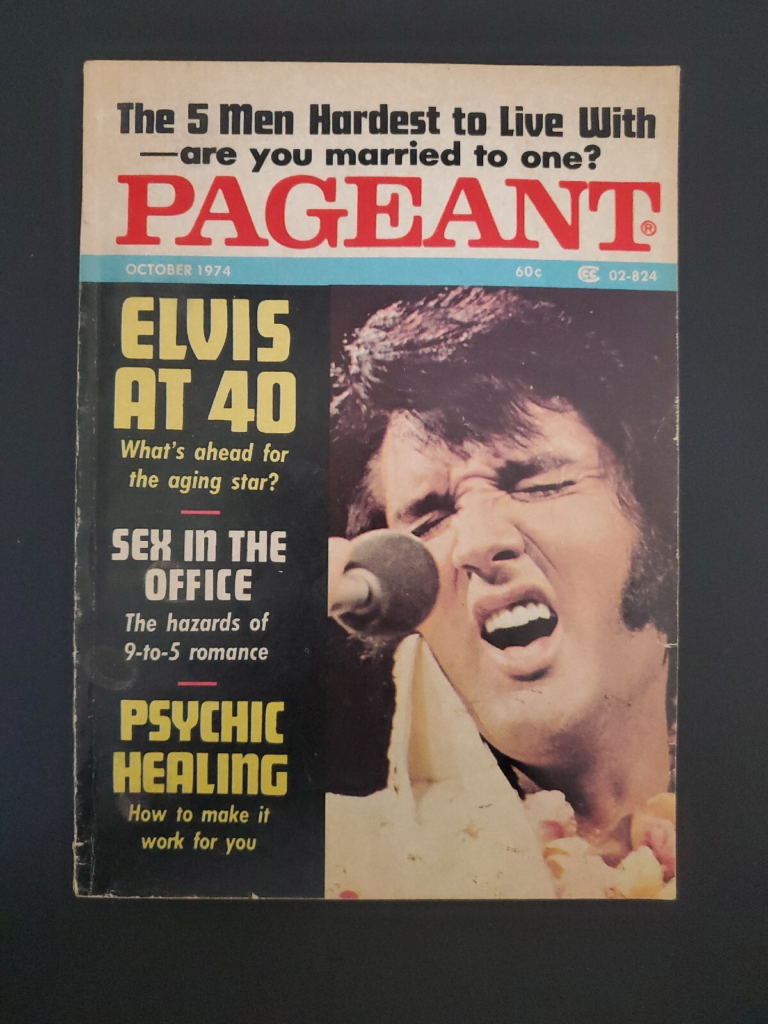
Pageant Magazine first appeared on American newsstands in November of 1944, during the final year of World War II. It was a moment when the country was beginning to look toward the future. Millions of Americans were eager for stories about the wider world, about culture, discovery, and the people shaping a new era. Into that pivotal moment stepped a publication designed to capture both imagination and curiosity.
The magazine was launched by publisher Alex L. Hillman, whose company, Hillman Periodicals, was already active in several areas of American publishing. Hillman’s catalog included a variety of popular magazines, but Pageant was envisioned as something different. Rather than focusing on a single subject or audience, the new magazine would present a broad range of topics, bringing together journalism, photography, personality profiles, travel pieces, and cultural commentary.
Pageant adopted a compact digest format that made it easy to read and widely accessible. While the size was modest, the editorial ambition was not. The publication placed a strong emphasis on visual storytelling, pairing carefully chosen photographs with engaging articles that explored the people, places, and ideas shaping the modern world.
Building a Voice in Post-War America
One of the figures who helped establish the early tone of the magazine was journalist Eugene Lyons, who served as an early editor. Lyons was already well-known in American journalism and brought with him a wide intellectual curiosity. Under his influence the magazine developed a style that moved comfortably between subjects. Readers might find discussions of scientific discovery beside stories about music, profiles of notable personalities, or essays examining social and cultural trends.
As the magazine matured in the late 1940s, its editorial leadership continued to evolve. Editors such as Vernon Pope and later Harris Shevelson helped guide the publication during a period when it gained increasing recognition among readers. Circulation rose steadily as Pageant found an audience drawn to its mixture of accessible writing, photography, and lively subject matter.
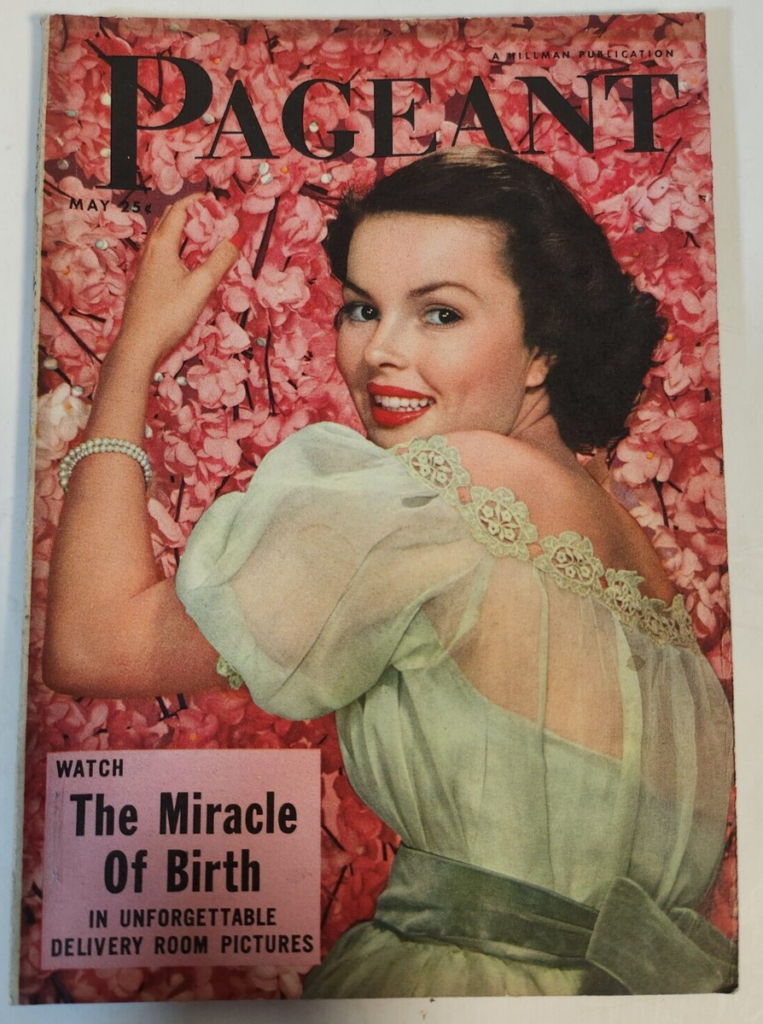
Throughout the 1950s and into the 1960s, Pageant served as a kind of cultural snapshot of the mid twentieth century. Its pages featured artists, entertainers, writers, scientists, and public figures, offering readers a wide perspective on American and international life. The magazine became particularly known for its polished photographic spreads and personality features, which reflected the glamour and optimism of the era.
A Cultural Snapshot of the Mid-Century
Pageant also played a small but interesting role in publishing history. During the early 1950s the magazine ran a feature about the satirical comic Mad, including artwork from the creators associated with the publication. The attention surrounding that coverage helped broaden awareness of the comic, which eventually evolved into a magazine format that would become one of the most influential humor publications in American media.
Changing Hands and the End of an Era
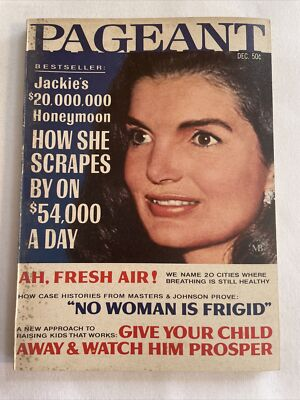
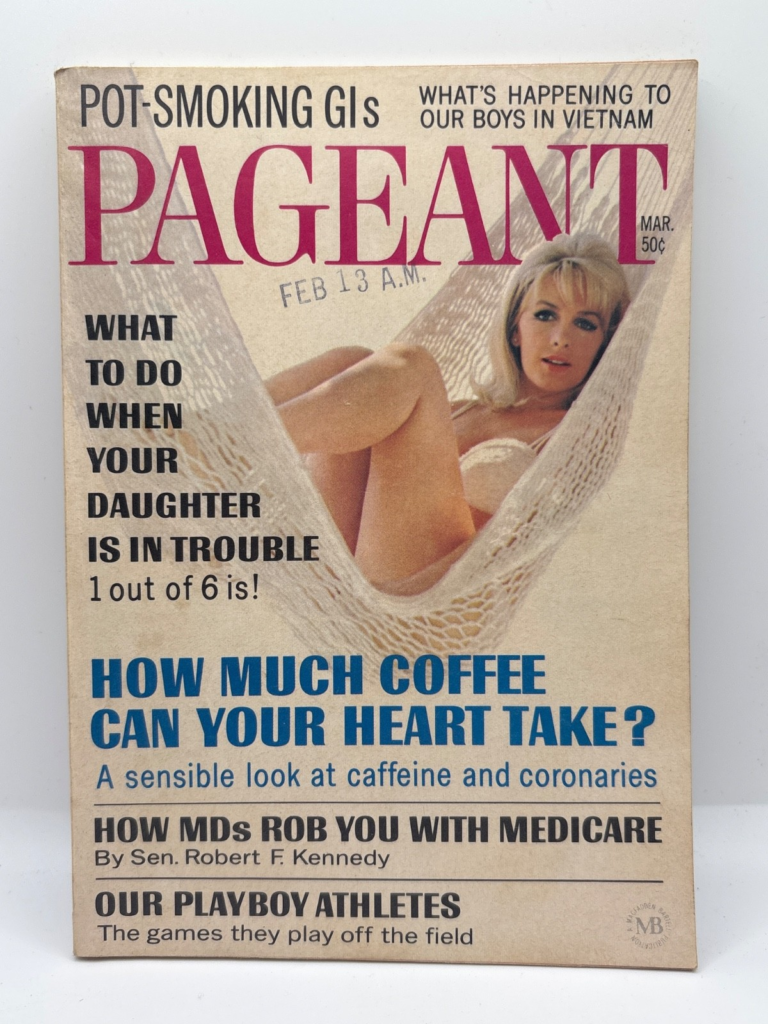
Like many magazines of its time, Pageant eventually experienced changes in ownership as the publishing landscape evolved. In the early 1960s the title was acquired by Macfadden Publications, another prominent company in the magazine industry. Pageant continued to appear on newsstands during a period when American media was rapidly changing and new forms of entertainment were competing for the public’s attention.
After more than three decades in print, the magazine concluded its original run with its final issue in February of 1977. By that time, Pageant had documented an entire era of cultural life, preserving within its pages a vivid record of the personalities, ideas, and creative energy that shaped the middle decades of the twentieth century.
The Spirit of Pageant
What made Pageant memorable was not merely its articles or photography, but its editorial philosophy. The magazine reflected a belief that culture is shaped by people, by the artists, thinkers, explorers, and everyday individuals whose stories illuminate the world around us.
That idea remains just as relevant today.
The Relaunch: Character and Culture
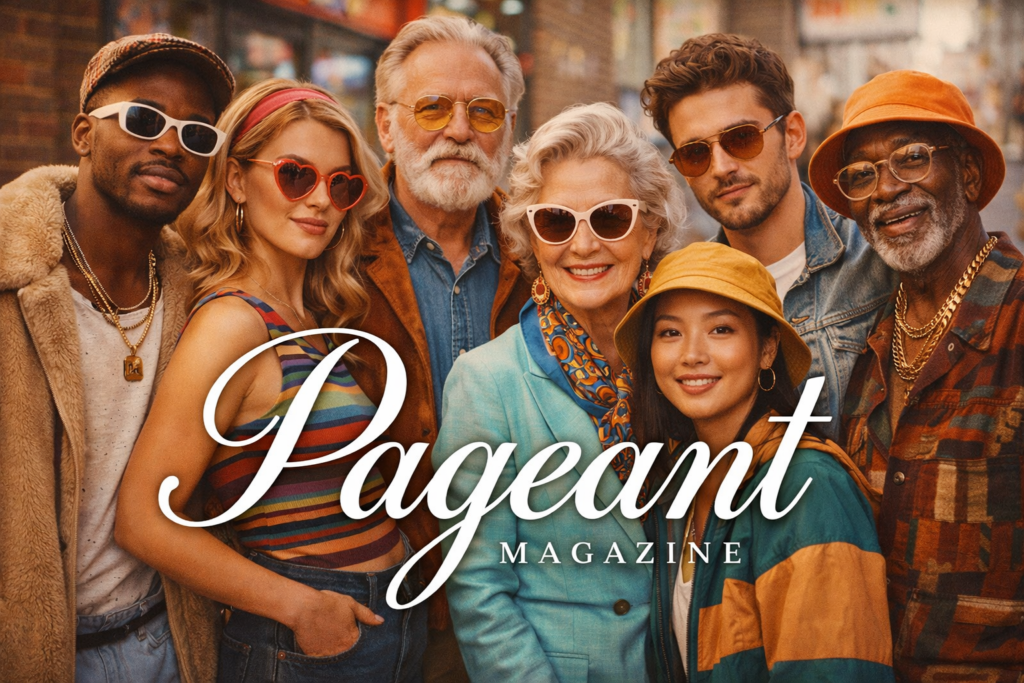
The modern relaunch of Pageant seeks to honor the spirit of the original publication while bringing it forward into a new era. The renewed focus centers on Character and Culture: the individuals who shape our communities, the creative work that defines our time, and the stories that remind us what it means to live thoughtfully and imaginatively.
Today’s Pageant embraces many of the values that defined its mid-century predecessor:
- Curiosity about the world
- Respect for creativity and craftsmanship
- Celebration of remarkable individuals
- A love of reading, photography, art, and storytelling
But the new Pageant also recognizes that culture is constantly evolving. The relaunch invites readers to explore modern voices, rediscover overlooked history, and celebrate the intersection of art, ideas, and human experience.
In many ways, the mission is timeless.
Just as it did in 1944, Pageant in 2026 aims to present a wide view of the world: its beauty, its challenges, and the extraordinary people who give it meaning.
Because ultimately, magazines like Pageant exist for a simple reason.
To remind us that culture is not just something we observe. It is something we create together.
Pageant Milestones
A Brief Timeline of a Remarkable Magazine
1944 – Pageant Debuts
Pageant Magazine publishes its first issue in November 1944, created by publisher Alex L. Hillman of Hillman Periodicals. Arriving in the closing months of World War II, the magazine is designed as a digest-size publication combining thoughtful journalism, human-interest stories, and striking photography.
Mid-1940s – Editorial Foundations
Journalist Eugene Lyons helps establish the early editorial voice of the magazine, emphasizing intellectual curiosity and wide-ranging topics including science, culture, world affairs, and the arts.
Late 1940s – Rapid Growth
Under editors such as Vernon Pope and later Harris Shevelson, Pageant gains momentum and popularity. Circulation grows rapidly as readers respond to its engaging blend of photography, profiles, cultural commentary, and storytelling.
1950s – A Cultural Snapshot of America
Pageant becomes known for elegant photo spreads, celebrity profiles, and stories that capture the optimism and glamour of mid-century American culture. The magazine features artists, musicians, scientists, and notable public figures while also exploring emerging social and cultural trends.
Early 1950s – A Notable Publishing Moment
Pageant publishes an article about the satirical comic Mad, featuring original artwork by Harvey Kurtzman and Will Elder. The attention generated contributes indirectly to Mad’s later transformation from comic book to magazine format, an important shift in publishing history.
1961 – New Ownership
Pageant is acquired by Macfadden Publications, another major magazine publisher of the era. The title continues to run during a period when the magazine industry is undergoing major changes.
1977 – Final Issue
After more than three decades in print, Pageant publishes its final issue in February 1977, closing an influential chapter in mid-century American magazine publishing.
2026 – Pageant Returns
Pageant is relaunched for a new generation of readers under the editorial guidance of Gene Williams. The modern magazine embraces the spirit of the original while focusing on Character and Culture, celebrating the individuals, ideas, art, and stories that shape our world today.