Vintage Aesthetics in Modern Media
By Chris Herren
Embracing Vintage Aesthetics
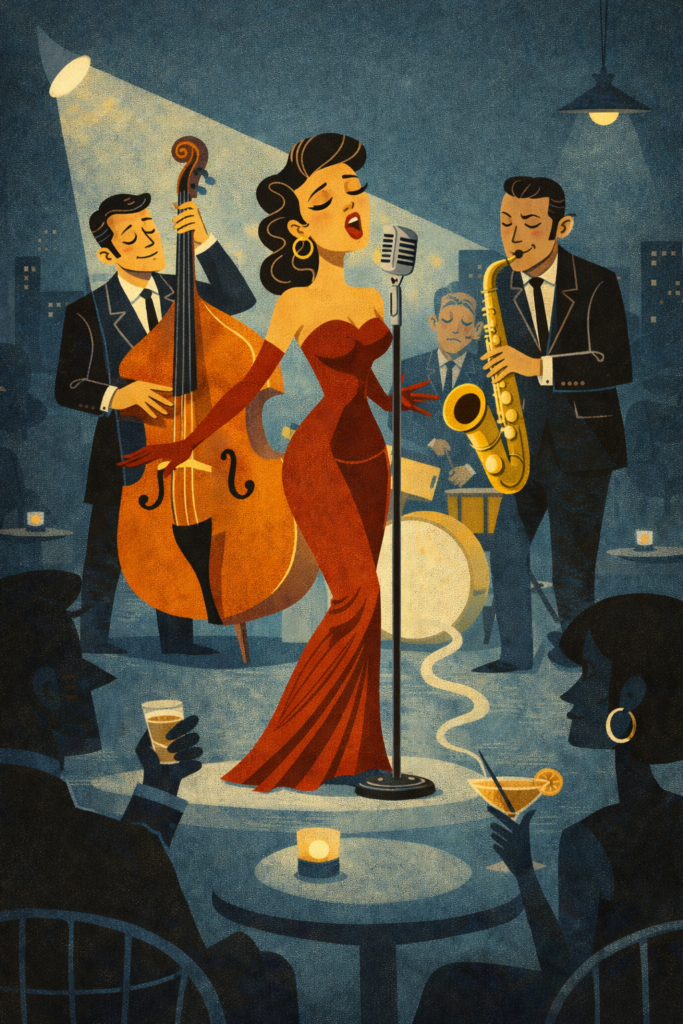
Vintage aesthetics are making a comeback, and Pageant Magazine is at the forefront of this movement.
Why Vintage Matters
These styles evoke nostalgia and create a unique connection with audiences of all ages.
A Century of Style
From the earliest days of cinema posters and illustrated magazines to the endlessly scrollable feeds of modern digital media, visual culture has always had a curious relationship with its own past. Styles rarely disappear completely. Instead, they cycle forward, reinterpreted and reshaped by new generations of artists, designers, photographers, and filmmakers.
The phenomenon is often called retro aesthetics, the revival or reinterpretation of earlier visual styles. What is fascinating, however, is that retro design is not a recent invention. Each era tends to rediscover and reinterpret the aesthetics that came before it.
In other words, nostalgia has always been part of the creative process.
Early 20th Century Foundations
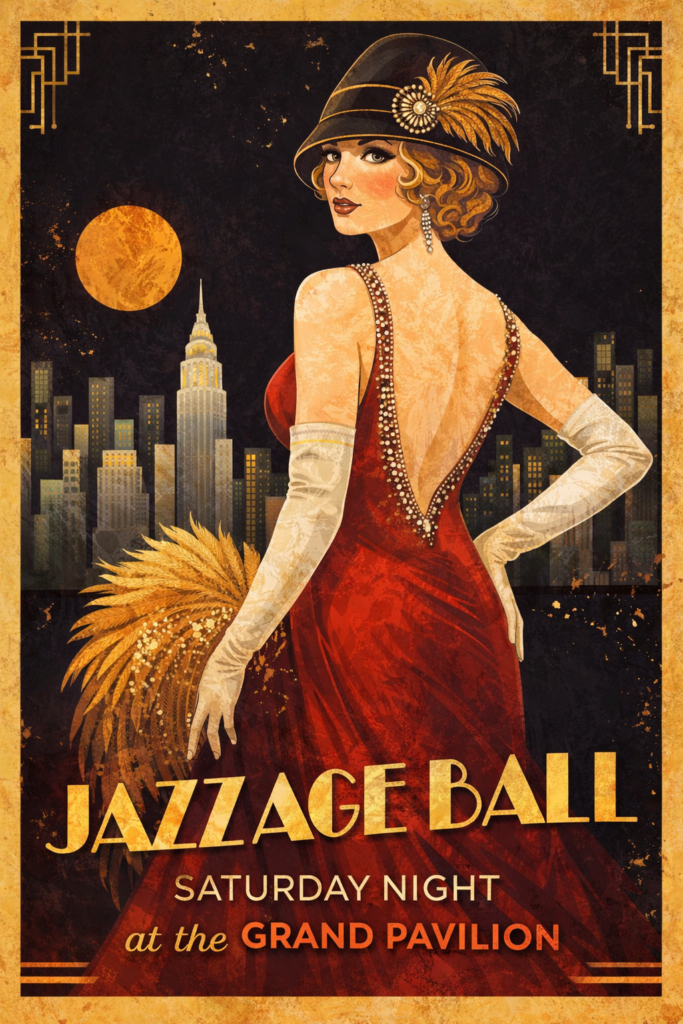
At the beginning of the 1900s, visual culture was dominated by illustration-driven design. Posters, advertisements, and magazines relied on artists working in styles such as Art Nouveau and later Art Deco. These designs emphasized stylized forms, elegant typography, and dramatic compositions.
Even during this time, designers looked backward for inspiration. Classical motifs from ancient Greece and Rome often appeared in early advertising and architectural graphics. The concept of drawing inspiration from earlier eras was already embedded in the creative world.
By the 1930s and 1940s, photography began to share the spotlight with illustration. Glamour portraits, dramatic lighting, and carefully composed images became defining features of magazine culture. Publications such as Pageant Magazine blended photography, illustration, and journalism into a unified visual experience that reflected both modern sophistication and timeless elegance.
Mid-Century Modern and the Birth of “Retro”
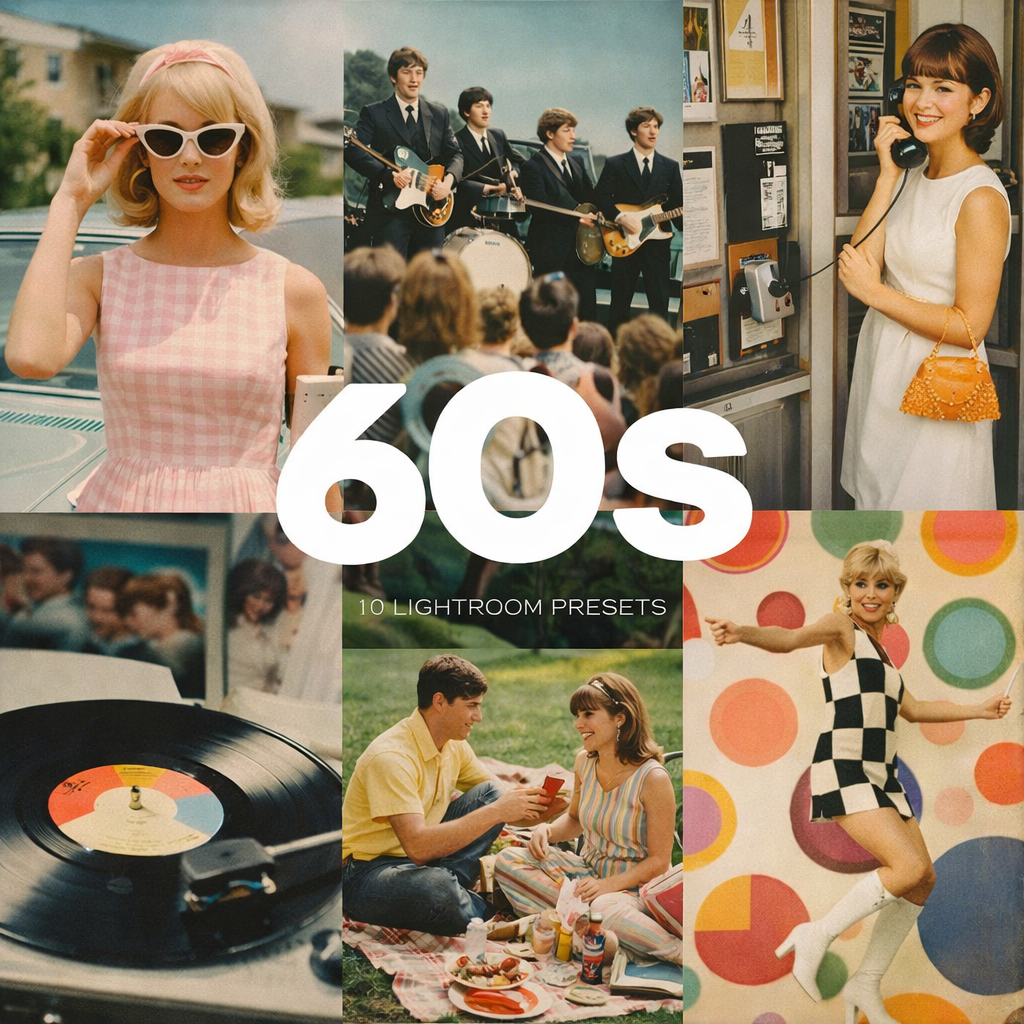
The postwar decades of the 1950s and 1960s produced what many people now consider the definitive “retro” look: bold typography, streamlined design, vibrant color palettes, and the sleek optimism of the modern age.
Ironically, these styles themselves were influenced by earlier movements. Mid-century designers borrowed ideas from Bauhaus minimalism, Art Deco geometry, and early industrial design. What appeared cutting-edge at the time would eventually become a nostalgic visual language associated with the optimism of the atomic age.
This period also marked the expansion of mass media aesthetics. Television graphics, magazine layouts, and advertising photography created visual styles that would later become iconic symbols of the era.
The Late 20th Century Revival Cycle
By the 1970s and 1980s, artists and designers began intentionally reviving earlier styles. Retro diners, vintage fashion revivals, and classic typography became cultural trends. Filmmakers and photographers often embraced grainy film textures or nostalgic lighting techniques to evoke the mood of previous decades.
The 1990s and early 2000s continued this pattern. Designers rediscovered mid-century typography and revived vintage poster aesthetics for everything from album covers to advertising campaigns. Graphic design software made it easier than ever to experiment with historical styles.
What once required darkroom chemistry or hand-painted lettering could now be recreated digitally.
The Digital Retro Age
In the modern era, the revival of vintage aesthetics has accelerated dramatically. Digital tools allow artists to simulate the look of nearly any historical medium, film grain, analog color palettes, worn paper textures, and retro typography can all be reproduced with remarkable precision.
Photography apps can mimic the look of classic film stocks. Video creators apply filters that emulate VHS tapes or early cinema projection. Graphic designers resurrect long-forgotten fonts and design systems from decades past.
The result is a fascinating blend of past and present, where contemporary media often feels visually rooted in earlier eras.
Why Retro Keeps Returning
Why does retro aesthetics remain so powerful?
Part of the answer lies in nostalgia. Visual styles from earlier decades carry emotional associations. A faded photograph may evoke memories of family albums. A neon sign might remind viewers of classic roadside culture or the golden age of nightlife.
Another reason is craft and texture. Earlier media often displayed visible imperfections, film grain, printing textures, analog color shifts, that make images feel tangible and authentic. In a digital world filled with perfectly sharp and endlessly reproducible images, these imperfections feel refreshing.
Finally, retro aesthetics offer creative contrast. Designers and artists often look backward precisely because it helps them create something new. By blending vintage styles with modern tools and ideas, creators can produce work that feels both familiar and surprising.
Yesterday’s Future
Perhaps the most intriguing aspect of retro design is that it constantly reshapes our understanding of time. What once represented the cutting edge eventually becomes nostalgic. Then, decades later, it returns again as inspiration for something new.
The past, it seems, is never truly past in the world of art and media.
Instead, it continues to echo forward, one revival at a time.